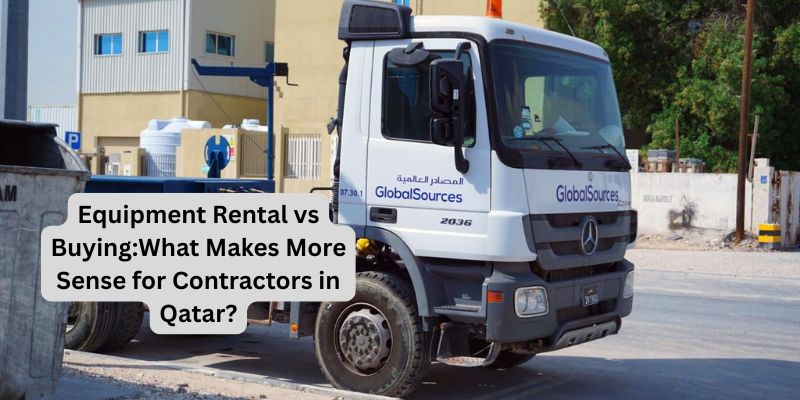
One of the most frequent decisions facing contractors in Qatar is whether to rent or buy heavy equipment. On the surface, buying looks cheaper over time. But when you factor in Qatar’s project-based work cycles, maintenance costs, certification requirements, and the sheer variety of machines needed — renting is often the smarter financial decision.
This guide lays out the honest cost and operational comparison to help Qatar contractors make the right call.
“Owning a crane that sits idle between projects is not an asset — it is a liability with a maintenance bill.”
The True Cost of Owning Equipment in Qatar
The purchase price is only the beginning. Equipment ownership in Qatar carries ongoing costs that many contractors underestimate: third-party inspection and certification (required annually in Qatar), operator salaries and benefits, maintenance and spare parts, insurance, storage at a certified yard, and mobilisation when projects start.
| Cost Factor | Renting | Owning |
| Upfront Capital | None | Full purchase price or finance |
| Third-Party Inspection | Included by provider | Your cost — annually mandatory |
| Maintenance & Repairs | Included by provider | Your cost — can be significant |
| Operator | Included option | Salary + benefits + visa |
| Idle Period Cost | None — only pay when using | Full ownership cost continues |
| Certification Documentation | Provided by rental company | Your responsibility |
| Equipment Upgrades | Access newest fleet | Stuck with what you own |
When Renting Is the Better Choice in Qatar
- Project-based work where equipment is needed for 3–18 months then not required
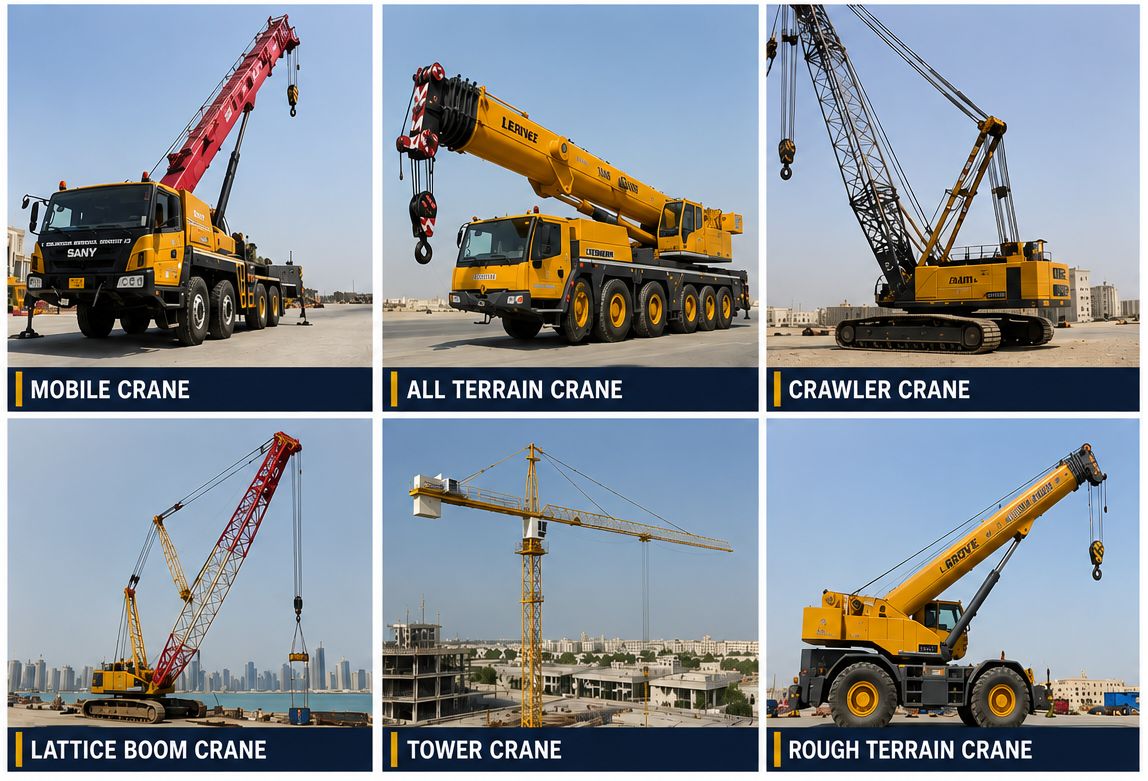
- Specialist equipment (crawler cranes, SPMTs, large generators) needed infrequently
- Equipment required for a one-off project outside your normal fleet range
- When full certification documentation is needed without internal compliance burden
- When you need flexibility to scale equipment up or down as project phases change
When Buying Can Make Sense
- Core equipment used continuously across multiple long-term projects (2+ years)
- Standard equipment such as mid-size excavators or forklifts in continuous daily use
- When you have a dedicated maintenance team and certified storage facility
- When rental availability is consistently constrained in your market
STRATEGY: For most small and mid-size contractors in Qatar, renting 80% of the fleet and owning only the core day-to-day machines is the most cost-effective approach. It preserves capital, eliminates idle cost, and removes the certification and maintenance burden.
Global Sources Qatar provides flexible daily, weekly, and monthly equipment rental — no ownership costs, no certification burden, full documentation on every machine.
View our full services: globalsources.qa/heavy-Equipment