globalsources

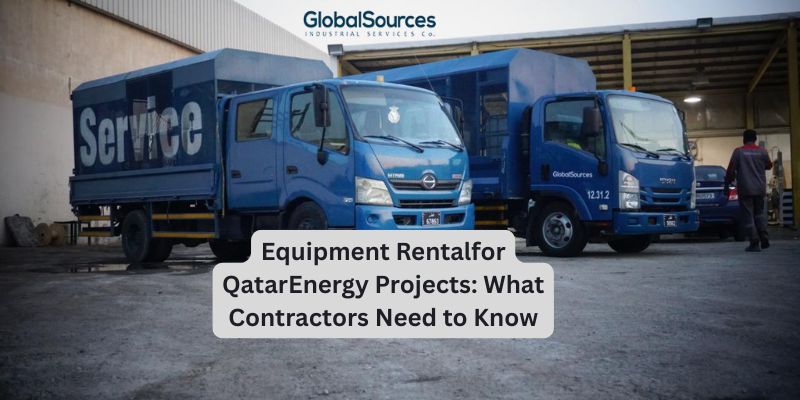
Equipment Rental for QatarEnergy Projects: What Contractors Need to Know

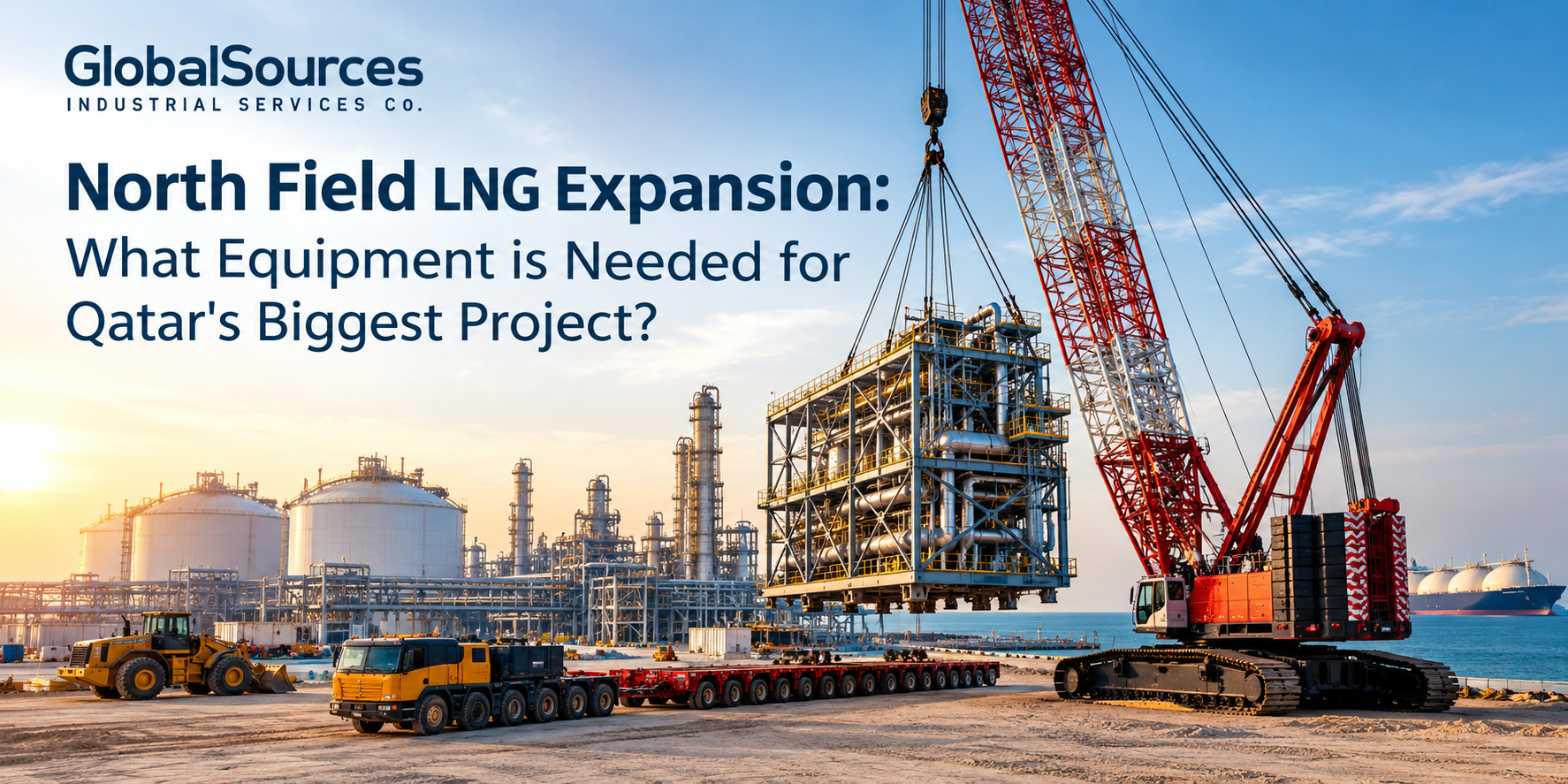
QatarEnergy is Qatar’s national oil and gas company — and one of the largest energy companies in the world. Its projects at Ras Laffan, the North Field LNG expansion, and across Qatar’s industrial cities set some of the most demanding equipment and contractor standards in the region.

For contractors and sub-contractors working within QatarEnergy project environments, understanding the specific heavy equipment rental requirements before mobilisation is critical to avoiding costly compliance failures.

“QatarEnergy’s safety standards are among the strictest in the world. Equipment that passes a general construction site check will not always pass a QatarEnergy site check.”

QatarEnergy Equipment Standards — The Basics

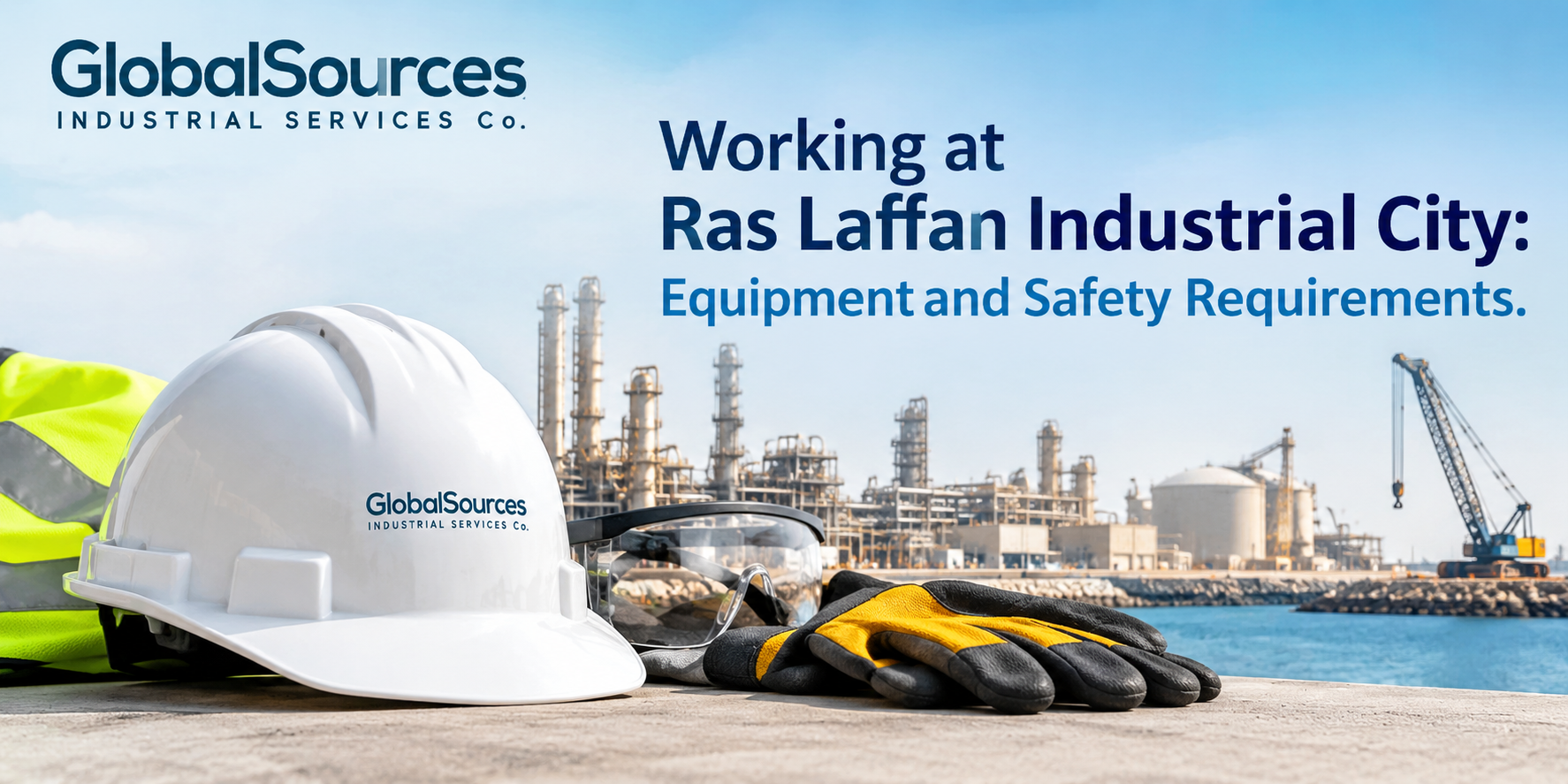
All equipment deployed on QatarEnergy projects must meet QatarEnergy’s own technical standards, which incorporate international codes including API, ASME, ISO, and NFPA. For lifting equipment, this means current third-party inspection certificates, load test records, and operator certification to a recognised international standard. For generators and electrical equipment, earthing certificates and electrical inspection records are mandatory.

Key Documentation Required

Third-party inspection certificate Current, valid, and issued by a QCDD-recognised body
Load test certificate For all lifting equipment — not older than 12 months
Operator certification LEEA and/or OPITO as specified in the project requirements
Qatar Civil Defence operator card Mandatory for all crane and heavy equipment operators
Colour coding compliance QatarEnergy uses a quarterly colour-coding system for inspected equipment — all equipment must display the current quarter colour


Equipment registration                Some QatarEnergy projects require pre-registration of all major equipment before

mobilisation

The QatarEnergy Colour Coding System

QatarEnergy and many Qatar oil and gas projects operate a colour-coding inspection system where all lifting equipment, tools, and electrical equipment must display a coloured tag indicating the quarter in which it was last inspected. Equipment displaying an outdated colour tag will be rejected at the gate.

The colours rotate quarterly. Before mobilising any equipment to a QatarEnergy project, confirm with your site contact which colour is current for that quarter and ensure your rental provider’s equipment carries the correct tag.

IMPORTANT: Always confirm the current inspection colour code with your QatarEnergy site contact before mobilisation. Equipment rejected at the gate means a full-day delay minimum.

Approved Vendor Requirements

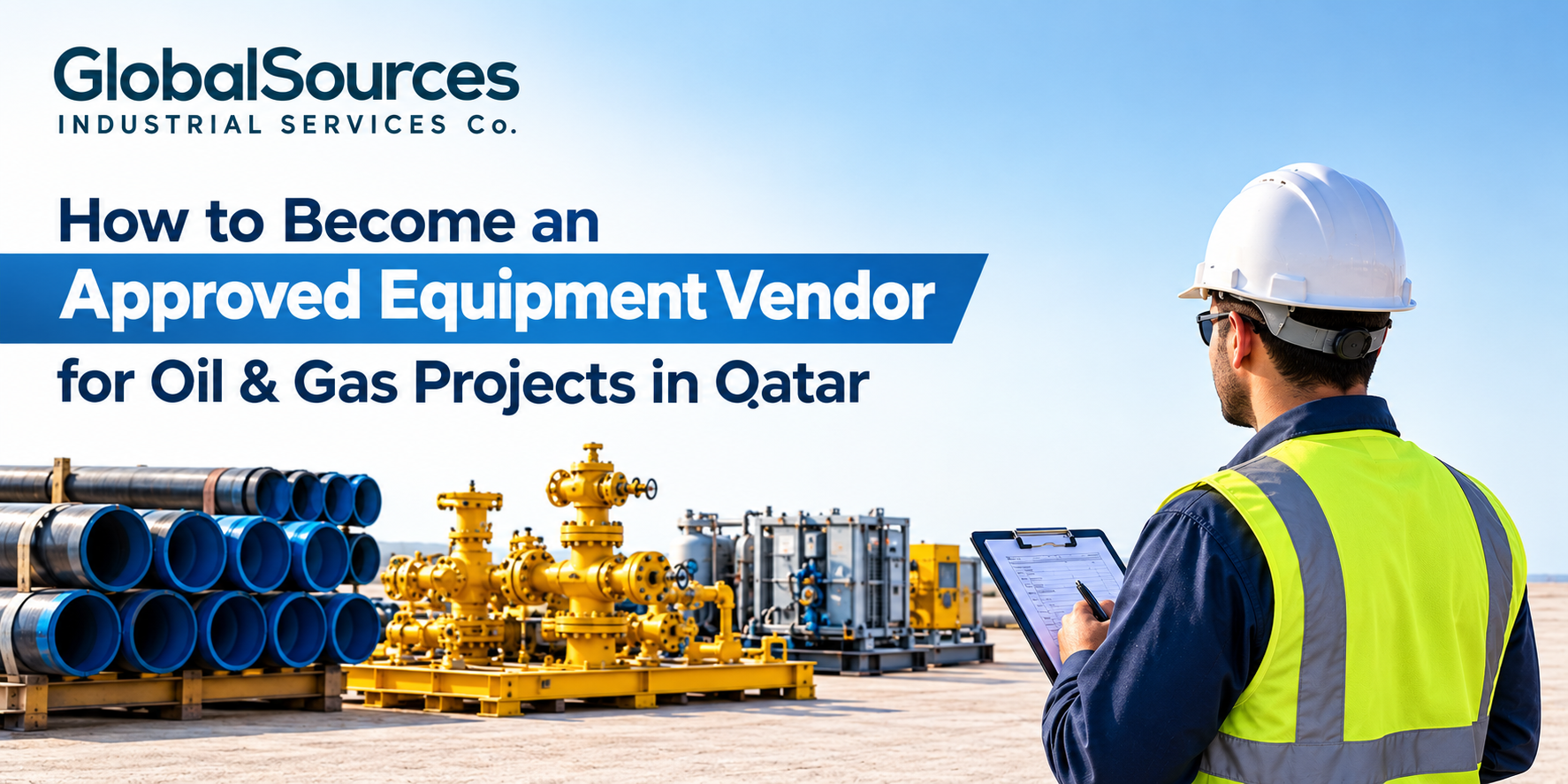
For direct contracts with QatarEnergy, equipment suppliers may need to be pre-qualified on QatarEnergy’s vendor database. However, for sub-contractor and contractor-supplied equipment, the main contractor typically takes responsibility for ensuring equipment compliance. If you are a sub-contractor, confirm with your main contractor which equipment supplier approvals are required before sourcing your rental.

Global Sources Qatar has extensive experience supplying equipment to QatarEnergy project environments. All equipment carries current colour-coded inspection tags and full compliance documentation.

View our full services: globalsources.qa/heavy-Equipment

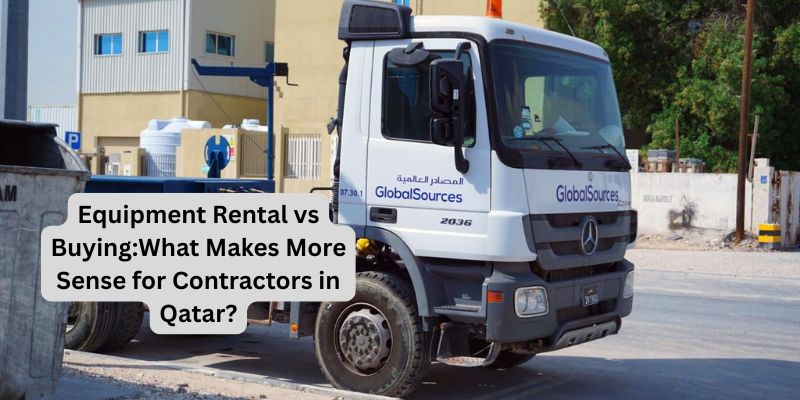
Equipment Rental vs Buying: What Makes More Sense for Contractors in Qatar?

One of the most frequent decisions facing contractors in Qatar is whether to rent or buy heavy equipment. On the surface, buying looks cheaper over time. But when you factor in Qatar’s project-based work cycles, maintenance costs, certification requirements, and the sheer variety of machines needed — renting is often the smarter financial decision.

This guide lays out the honest cost and operational comparison to help Qatar contractors make the right call.

“Owning a crane that sits idle between projects is not an asset — it is a liability with a maintenance bill.”

The True Cost of Owning Equipment in Qatar

The purchase price is only the beginning. Equipment ownership in Qatar carries ongoing costs that many contractors underestimate: third-party inspection and certification (required annually in Qatar), operator salaries and benefits, maintenance and spare parts, insurance, storage at a certified yard, and mobilisation when projects start.

Cost Factor Renting Owning
Upfront Capital None Full purchase price or finance
Third-Party Inspection Included by provider Your cost — annually mandatory
Maintenance & Repairs Included by provider Your cost — can be significant
Operator Included option Salary + benefits + visa
Idle Period Cost None — only pay when using Full ownership cost continues
Certification Documentation Provided by rental company Your responsibility
Equipment Upgrades Access newest fleet Stuck with what you own

When Renting Is the Better Choice in Qatar

  • Project-based work where equipment is needed for 3–18 months then not required
  • Specialist equipment (crawler cranes, SPMTs, large generators) needed infrequently
  • Equipment required for a one-off project outside your normal fleet range
  • When full certification documentation is needed without internal compliance burden
  • When you need flexibility to scale equipment up or down as project phases change

When Buying Can Make Sense

  • Core equipment used continuously across multiple long-term projects (2+ years)
  • Standard equipment such as mid-size excavators or forklifts in continuous daily use
  • When you have a dedicated maintenance team and certified storage facility
  • When rental availability is consistently constrained in your market

STRATEGY: For most small and mid-size contractors in Qatar, renting 80% of the fleet and owning only the core day-to-day machines is the most cost-effective approach. It preserves capital, eliminates idle cost, and removes the certification and maintenance burden.

Global Sources Qatar provides flexible daily, weekly, and monthly equipment rental — no ownership costs, no certification burden, full documentation on every machine.

View our full services: globalsources.qa/heavy-Equipment

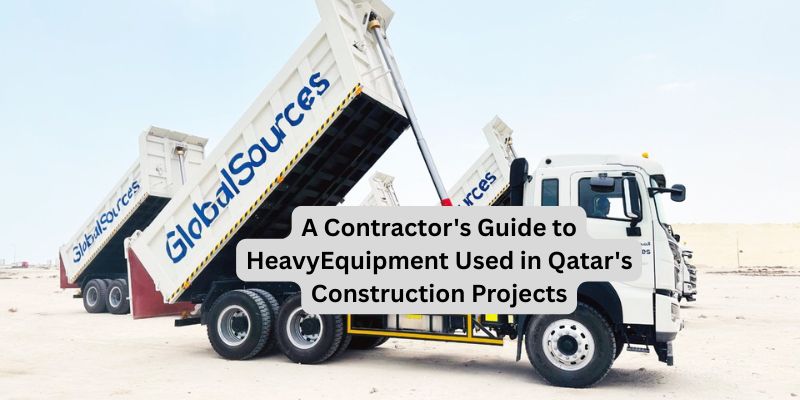
A Contractor’s Guide to Heavy Equipment Used in Qatar’s Construction Projects

Qatar’s construction sector is one of the most active in the world. From the high-rise towers of Lusail City to the industrial expansion at Ras Laffan and the infrastructure connecting them, major projects are underway across the country every day.

For contractors, project managers, and procurement teams, selecting the right construction equipment is one of the most critical decisions on any project. Choose the wrong machine and you face delays, safety risks, and budget overruns. Choose the right one and your project moves efficiently from start to finish.

This guide covers the main types of heavy equipment used on Qatar’s construction and industrial projects, what each machine is best suited for, and what to consider when sourcing equipment in Qatar.

“Selecting the right equipment is not just about power — it is about matching the machine to the site conditions, the load, and the project timeline.”

1.Cranes — The Most Essential Lifting Machine

No piece of equipment is more closely associated with Qatar’s construction boom than the crane. Whether it is a tower crane rising above a Lusail high-rise or an all-terrain crane working at a petrochemical facility in Ras Laffan, cranes are fundamental to every major project in Qatar.

The most common crane types used in Qatar are all-terrain cranes (for large construction and oil & gas projects), mobile cranes (for versatile general construction lifts), crawler cranes (for the heaviest long-duration lifts at LNG and refinery projects), and tower cranes (for high-rise building construction).

KEY POINT: When renting a crane in Qatar, always confirm the crane’s certified capacity at your required radius — not just the headline tonnage. A 100-ton crane may only lift 30 tons safely at a 20-metre radius.

2. Excavators — The Foundation of Every Project

Before any structure rises, the ground must be prepared. Excavators handle the foundation work that every construction project depends on — digging foundations, trenching for utilities, land clearing, and material handling.

In Qatar, excavators are used across residential, commercial, and industrial construction as well as oil & gas pipeline work. The most commonly rented sizes range from mini excavators (1T–6T) for confined urban sites in Doha, to large tracked excavators (20T–50T) for major earthworks and infrastructure projects.

KEY POINT: In Qatar, many site workers refer to backhoe loaders as ‘JCBs’ regardless of brand. When specifying your equipment, always clarify whether you need a backhoe loader or a dedicated tracked excavator — they are different machines suited to different tasks.

3. Earthmoving Equipment — Site Preparation Essentials

Before foundations are dug and structures are built, the site itself needs to be prepared. This is where bulldozers, motor graders, compactors, and wheel loaders come in.

Machine Primary Use in Qatar
Bulldozer Site clearing, land levelling, pushing large volumes of soil
Motor Grader Road grading and surface levelling for infrastructure projects
Compactor Soil compaction at construction and road projects
Wheel Loader Moving materials, aggregate, and soil across the site

4. Generators — Keeping Your Site Running

Qatar’s construction sites are not always connected to permanent power supplies. Generators provide the temporary electrical power needed to run site offices, tools, lighting, and temporary facilities throughout a project.

For most construction sites in Qatar, diesel generators in the 100kVA–500kVA range are the standard choice. For sites near residential areas or hospitals, silent canopy generators are required to meet Qatar’s noise regulations. For large industrial and oil & gas facilities, generators of 500kVA to 1,250kVA are commonly deployed.

5. Transportation Equipment — Moving Machines to the Job

Getting heavy equipment to site safely is as important as the equipment itself. Qatar’s major project zones — Ras Laffan, Mesaieed, Lusail — require specialist transport solutions to move oversized machinery across the country’s road network.

Low bed trailers are the standard solution for transporting cranes, excavators, and other heavy machinery. For the largest loads — refinery modules, oversized industrial equipment — multi-axle trailers and SPMTs (Self-Propelled Modular Transporters) are used. Qatar’s road permit requirements for oversized loads must be factored into your project planning from the outset.

6. What to Look for When Sourcing Equipment in Qatar


Certified and inspected fleet

All equipment should carry current third-party inspection certificates. Request documentation before any machine arrives on site.
 

Certified operators available

For cranes and lifting equipment, always verify the operator’s LEEA certification and Qatar Civil Defence compliance before the lift begins.
 

Coverage across Qatar

Ensure the provider can mobilise equipment to your specific project location — Ras Laffan, Mesaieed, and Lusail have different logistics requirements to Doha.
 

Flexible rental terms

Look for daily, weekly, and monthly options. Long-term project rates should be negotiated upfront for better cost control.

Choosing the Right Equipment Partner in Qatar

Qatar’s project environment demands equipment that is reliable, certified, and available when you need it. Whether your project is in central Doha or at a remote industrial zone in Ras Laffan, the right equipment rental partner makes a measurable difference to your project timeline, safety record, and budget.

Global Sources Qatar provides heavy equipment rental across Qatar — cranes, excavators, generators, forklifts, trailers, and more — with certified operators and full compliance documentation.
View our full equipment fleet and request a quote: https://www.globalsources.qa/heavy-Equipment


Best Industrial Service Provider in Qatar - Global Sources Doha

Do You Want To Talk With Us? So Don't be Late.

Call Us: +974 4468 5501