Working at Ras Laffan Industrial City: Equipment and Safety Requirements
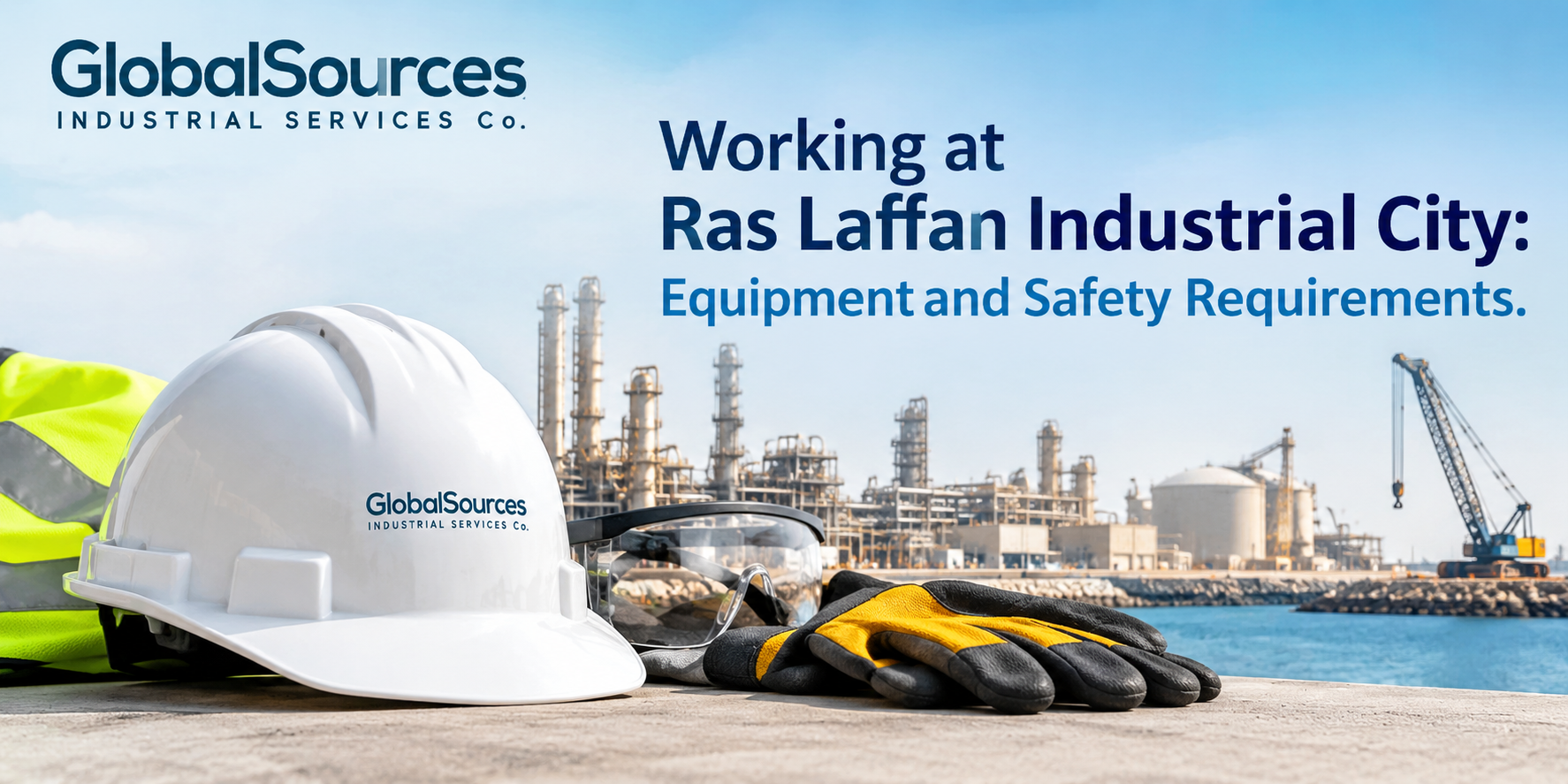
Ras Laffan Industrial City is one of the largest LNG and petrochemical complexes in the world — and one of the most strictly managed industrial environments in Qatar. For contractors and equipment suppliers entering RLIC for the first time, the access and compliance requirements can seem overwhelming.
This guide covers the key equipment and safety requirements that apply at Ras Laffan, drawn from the experience of working regularly in this environment.
| “Ras Laffan is not a standard construction site. The safety standards are world-class because the consequences of getting it wrong are serious.” |
Gate Access — What You Need to Enter |
| ✔ Vehicle gate pass All vehicles require a pre-approved gate pass. Arrange through your main contractor or QatarEnergy project coordinator minimum 48 hours in advance. |
| ✔ Driver QatarEnergy All drivers entering RLIC must hold a valid QatarEnergy contractor identification card.
contractor card |
| ✔ Vehicle inspection at gate Vehicles are inspected at the gate — tyres, load securing, lighting, and documentation.
Substandard vehicles are turned away. |
| ✔ Load documentation All cargo and equipment must have a packing list or delivery note matching what is
presented at the gate. |
Equipment Certification Requirements |
| Equipment Type | Certification Required | Additional RLIC Requirement |
| Cranes & lifting equipment | Third-party inspection + load test cert | Current QatarEnergy colour tag |
| Generators & electrical | Electrical inspection certificate | Earthing certificate before energising |
| Pressure equipment | Design certification + pressure test record | Relevant API/ASME standard compliance |
| Vehicles | Standard Qatar traffic registration | Valid RLIC gate pass + driver contractor card |
| Tools & equipment | General maintenance record | Quarterly colour tag inspection system |
Hazardous Area — ATEX Requirements |
Parts of Ras Laffan are classified as hazardous areas — zones where flammable gas or vapour may be present. Any equipment operating in or near these zones must be ATEX-rated (or equivalent) to prevent ignition sources. Standard diesel generators, non-ATEX electrical equipment, and standard vehicles cannot enter classified zones.
Always confirm with your site contact whether your work location is within a classified hazardous zone before mobilising equipment. This determines whether standard or ATEX-rated equipment is required.
| SAFETY: When in doubt, ask your QatarEnergy project coordinator for the hazardous area drawing for your work location before selecting equipment. Deploying non-ATEX equipment in a classified zone is a serious safety violation. |
Permit to Work at Ras Laffan |
All work at Ras Laffan Industrial City requires a valid permit to work (PTW) before any activity begins. The PTW system covers hot work, cold work, lifting operations, confined space entry, and electrical isolation. Equipment operators must be briefed on the PTW requirements and must not begin any work until the permit is signed and in place. All equipment suppliers working at RLIC should ensure their operators are familiar with the RLIC PTW process.
| Global Sources Qatar operates regularly within Ras Laffan Industrial City. Our equipment carries full RLIC-compliant documentation and our operators hold QatarEnergy contractor cards. |
| View our full services: globalsources.qa/heavy-Equipment |